


History Of The Golden Slipper
Discover the Rich Heritage of the World’s Premier Two-Year-Old Race

A Legacy of Unforgettable Slipper Moments
For more than seven decades, the Golden Slipper has defined the very best of Australian Thoroughbred racing and remains the world’s premier contest for two-year-olds.
Each March, Rosehill Gardens becomes the stage where future champions announce themselves, thrilling crowds with moments that often become part of racing history.
From its very first running in 1957 to the present day, the Golden Slipper has shaped the sport with record breaking performances, iconic winners and stories that have been shared across generations.
As the centrepiece of Sydney’s Autumn racing calendar, the contest continues to blend prestige, excitement and tradition. Its legacy is built not only on speed and brilliance, but on the energy and spirit that make the Golden Slipper one of the most anticipated events in Australian horse racing.
Image: The colt Flying Spur returns to scale after winning the 1995 edition.

Origins of an Icon
The Golden Slipper began with an idea that reshaped Australian racing.
In the 1950s, the Sydney Turf Club (STC) was determined to create a signature race for young horses, one that would elevate its Autumn program and capture the attention of racegoers across the country.
Among the club’s foundation directors, George Ryder recognised a unique opportunity. He proposed a race restricted to two-year-olds at set weights, a format that promised a fair and thrilling contest while showcasing the most promising juveniles of each season.
The name that would soon become famous started with a simple question. When Ryder’s wife was asked what she believed would make the perfect gift for a two-year-old, she answered with the words “a golden slipper”. The phrase captured immediate public imagination and gave the new race a name that felt both playful and prestigious.
When the Golden Slipper was run for the first time in 1957 at Rosehill Gardens, it marked the beginning of a new era. What started as an ambitious idea quickly grew into a headline event.
The concept, the name and the racing format resonated with the public, laying the foundation for a race that would soon become a national favourite and an essential part of Australian racing history.
Image: Racebook from the first Golden Slipper meeting in 1957.

Todman
The Beginning of Greatness
The very first running of the Golden Slipper produced a performance so commanding that it set the standard for everything the race would become. Todman arrived at Rosehill Gardens in 1957 as a talented colt with growing admiration behind him, but what followed was a display of brilliance that instantly elevated the new race to national attention.
Under clear skies and on a good track, Todman delivered an eight-length victory that stunned spectators and captured front page headlines the following day. It remains the largest winning margin in Golden Slipper history. His speed, power and effortless acceleration gave the inaugural race a sense of prestige from the moment the field crossed the line.
Todman entered the Slipper undefeated from three starts, and even after an early season setback at his next start in the Sires Produce Stakes, he returned to form in the Champagne Stakes to reassert his place among Australia’s best young horses. His impact extended well beyond the racetrack. When he retired to stud, Todman became an influential sire whose legacy helped shape generations of future champions.
His triumph in 1957 ensured that the Golden Slipper was not simply a new race but a new benchmark. The Slipper had found its first great champion, and Australian racing had found its newest tradition.
Image: Todman with trainer Maurice McCarten.

The Evolution of a Legend
The Golden Slipper Through the Decades
From record breaking performances to unforgettable rivalries, explore how each decade helped shape the world’s greatest race for 2YOs.
Image: Champion sprinter-miler Manikato wins the 1978 Slipper.

The Best of the Best
16 Iconic Golden Slipper Winners
To mark significant milestones in the race’s history, a panel of racing experts selected sixteen Golden Slipper winners whose achievements stand above the rest.
Each represents a defining moment, a remarkable performance or a legacy that continues to influence the sport today.
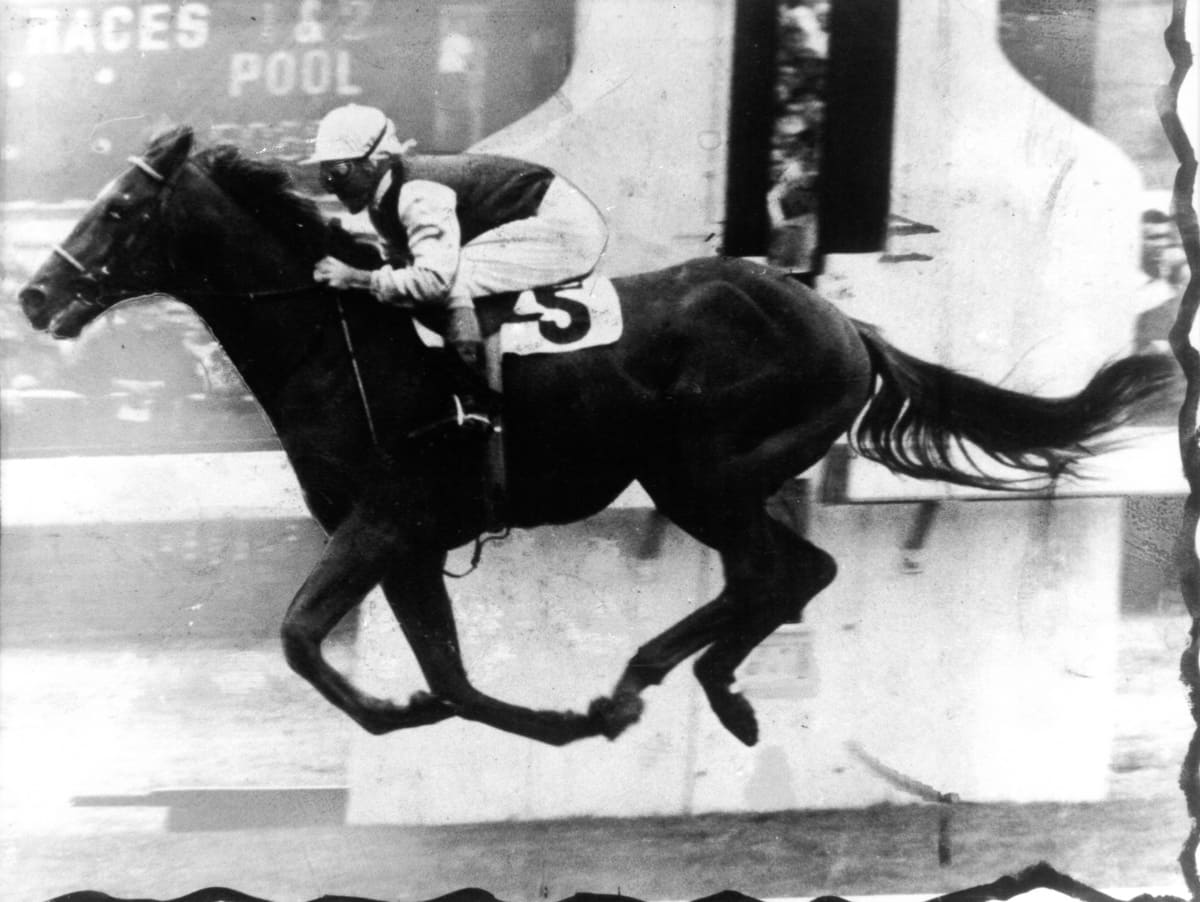
Todman (1957)
Todman’s eight length victory in the inaugural Golden Slipper remains the largest winning margin in the race’s history. His explosive speed and early dominance helped establish the Slipper as a premier event and set the benchmark for every champion that followed.
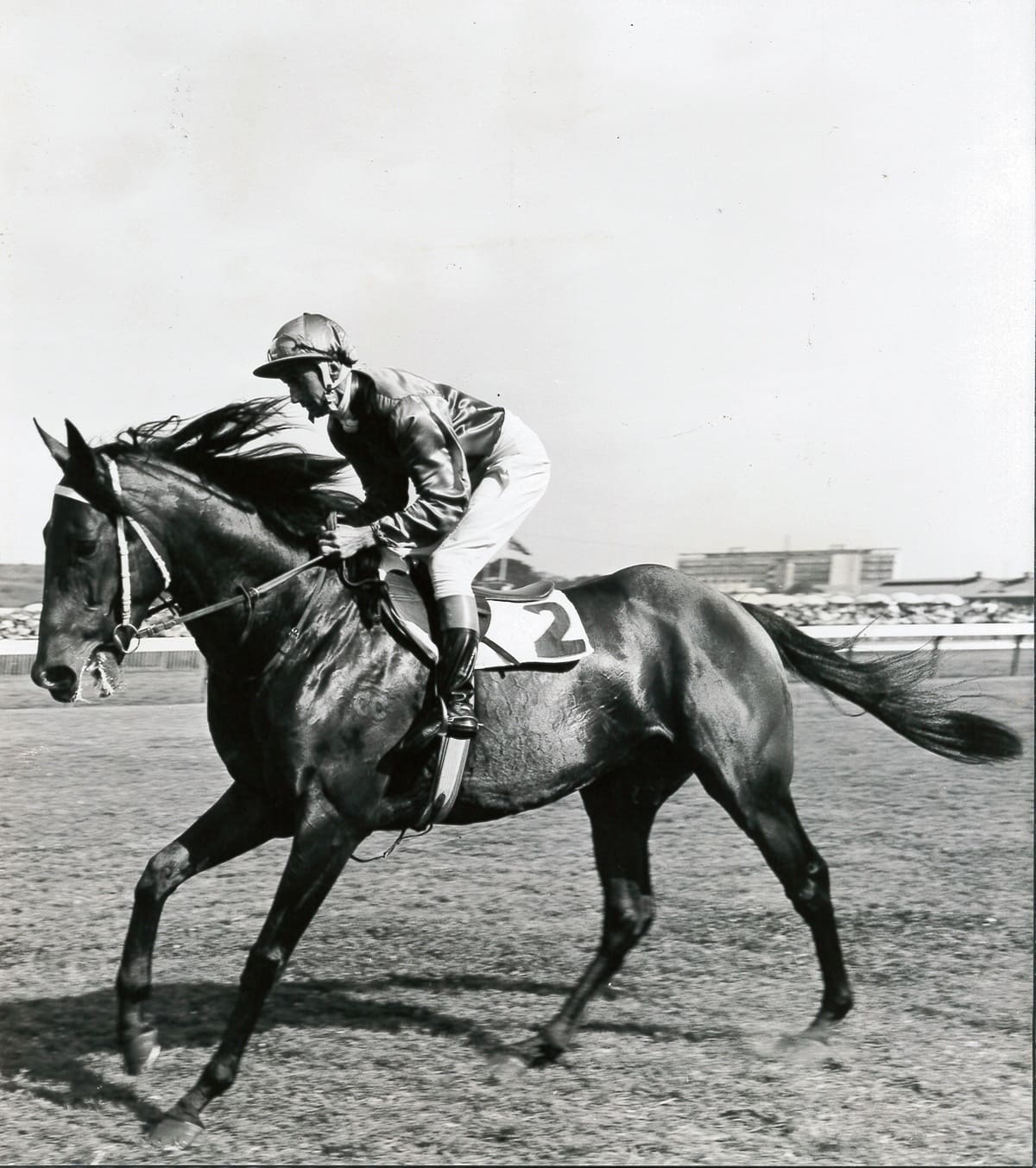
Sky High (1960)
A full brother to earlier winner Skyline, Sky High claimed the Slipper in the smallest field ever assembled for the race and went on to an exceptional career across multiple distances, securing his place among Australia’s most versatile performers.
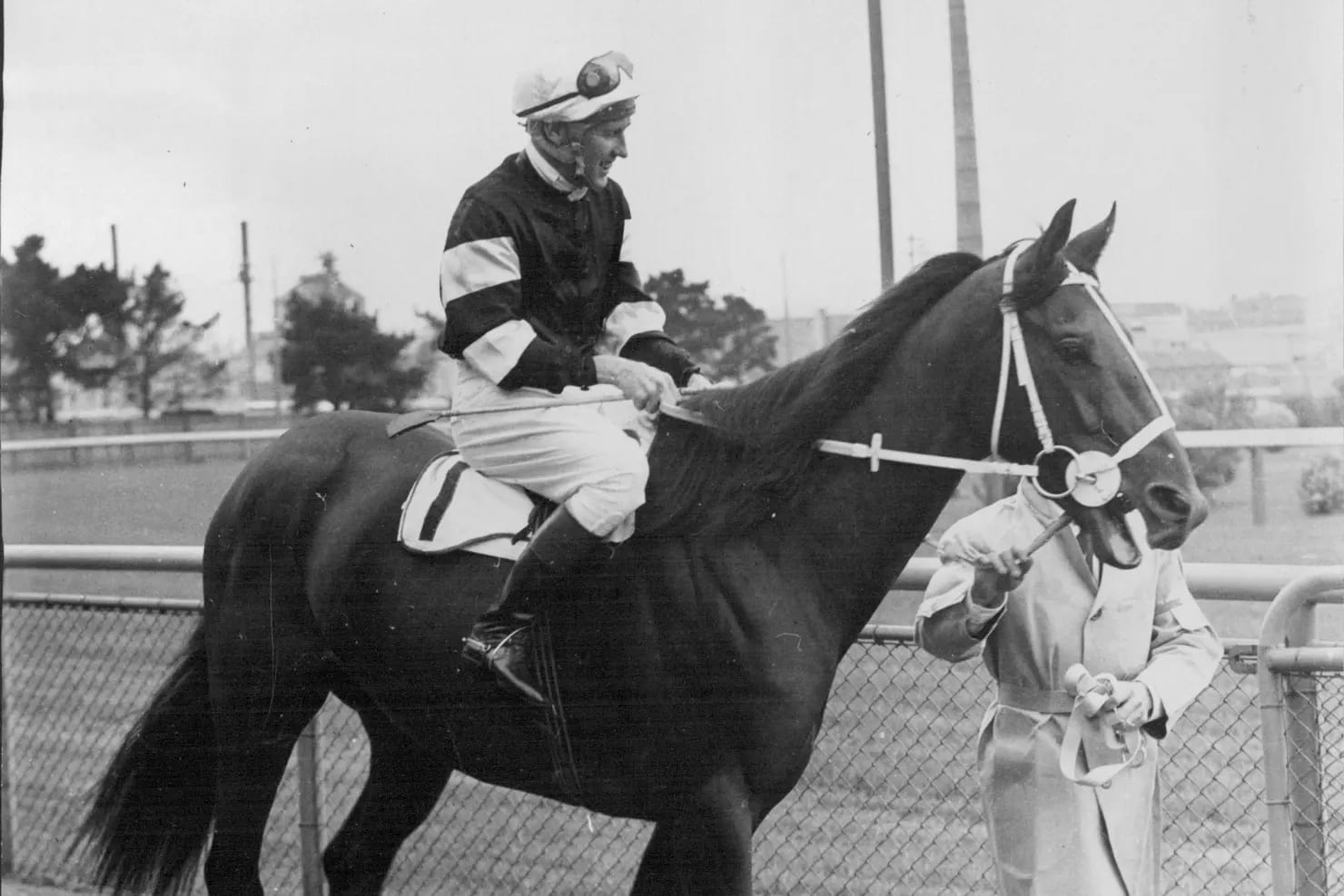
Pago Pago (1963)
The 1963 Golden Slipper was postponed due to heavy rain and held the following Wednesday. Pago Pago became the first ever late entry to win the race, producing a decisive performance on rain affected ground.
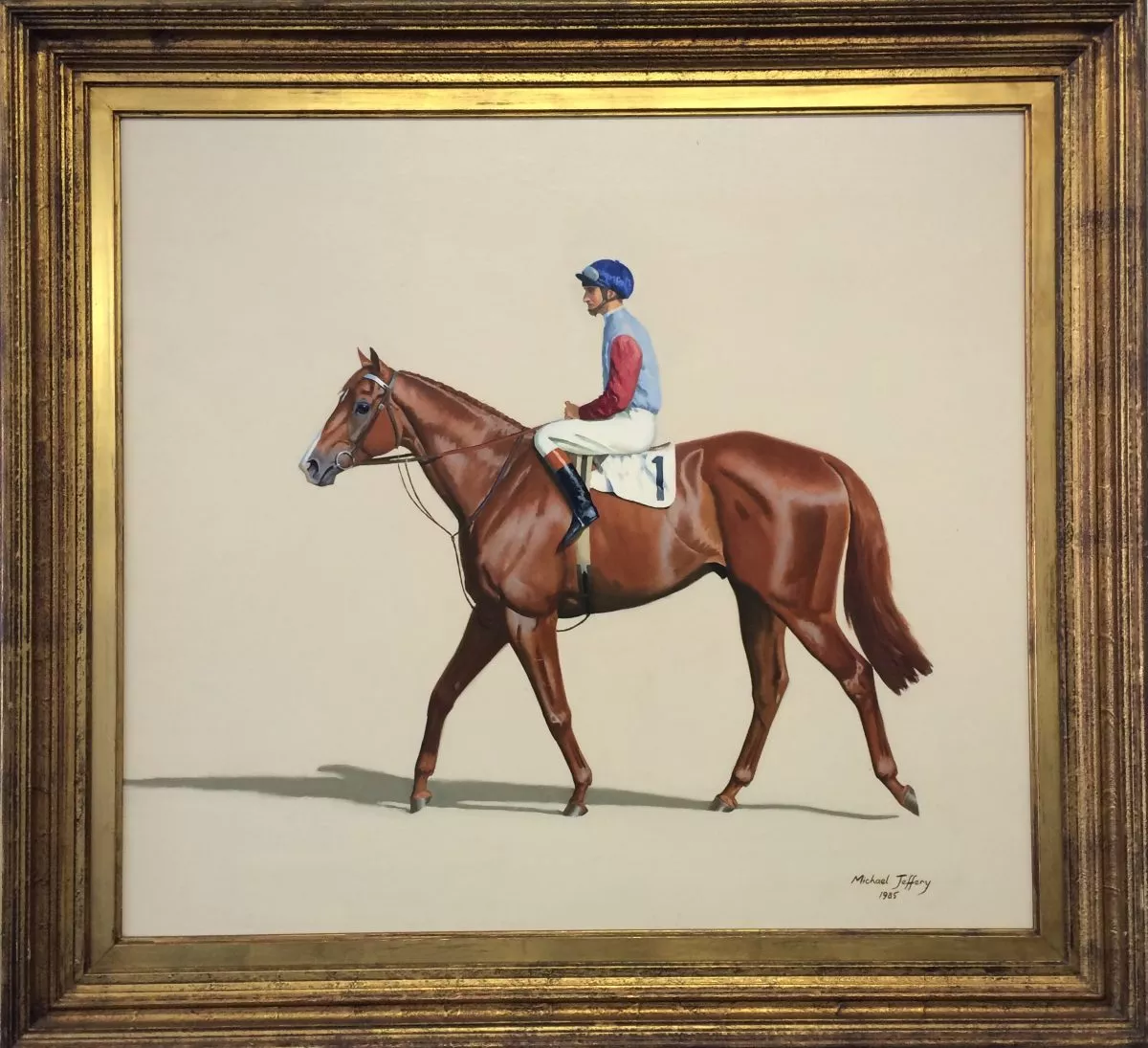
Vain (1969)
Vain’s dominant four length victory followed one of the most anticipated interstate clashes in Slipper history. His brilliance on the track and later success at stud cemented his reputation as a once in a generation sprinter.
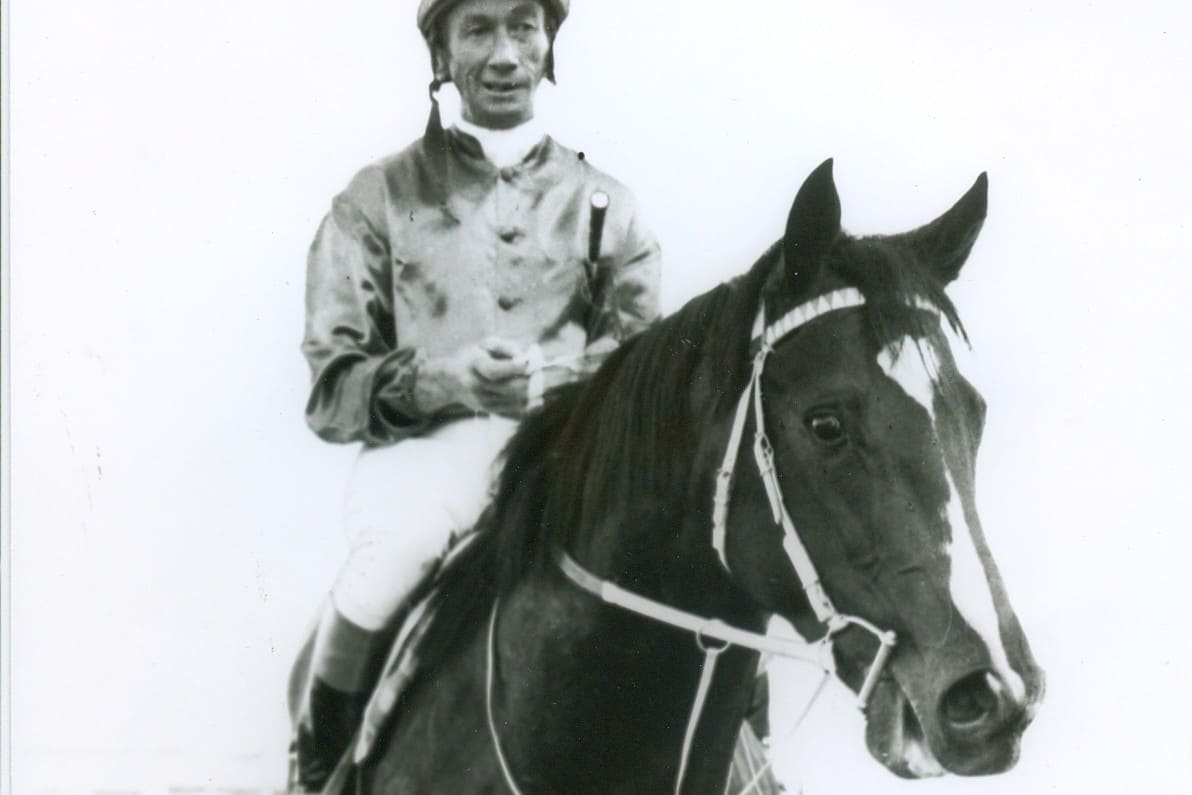
Baguette (1970)
Undefeated as a juvenile, Baguette won the Slipper before completing the prestigious Triple Crown of the Golden Slipper, Sires Produce Stakes and Champagne Stakes. His victory came despite a lengthy protest that ultimately upheld the result.
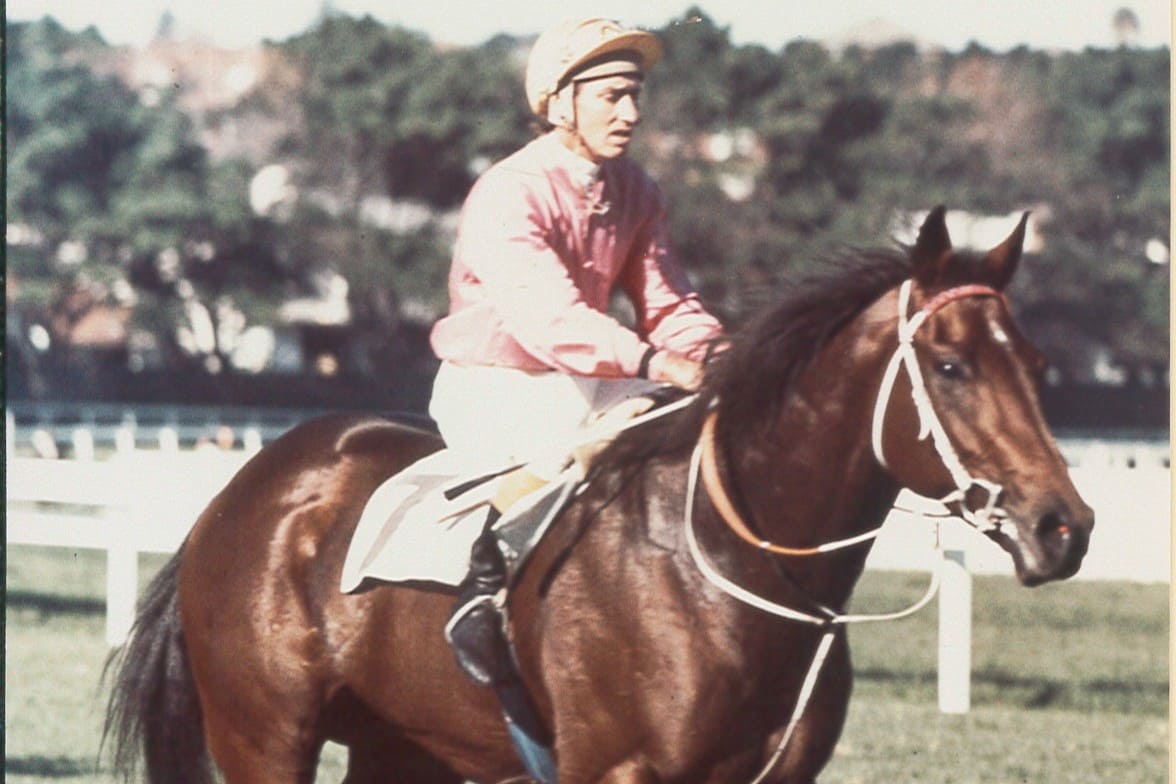
Tontonan (1973)
Tontonan overcame setbacks throughout his career yet delivered outstanding performances, including his Slipper triumph and a celebrated Doncaster win the following year. His toughness and consistency earned him a special place in racing history.
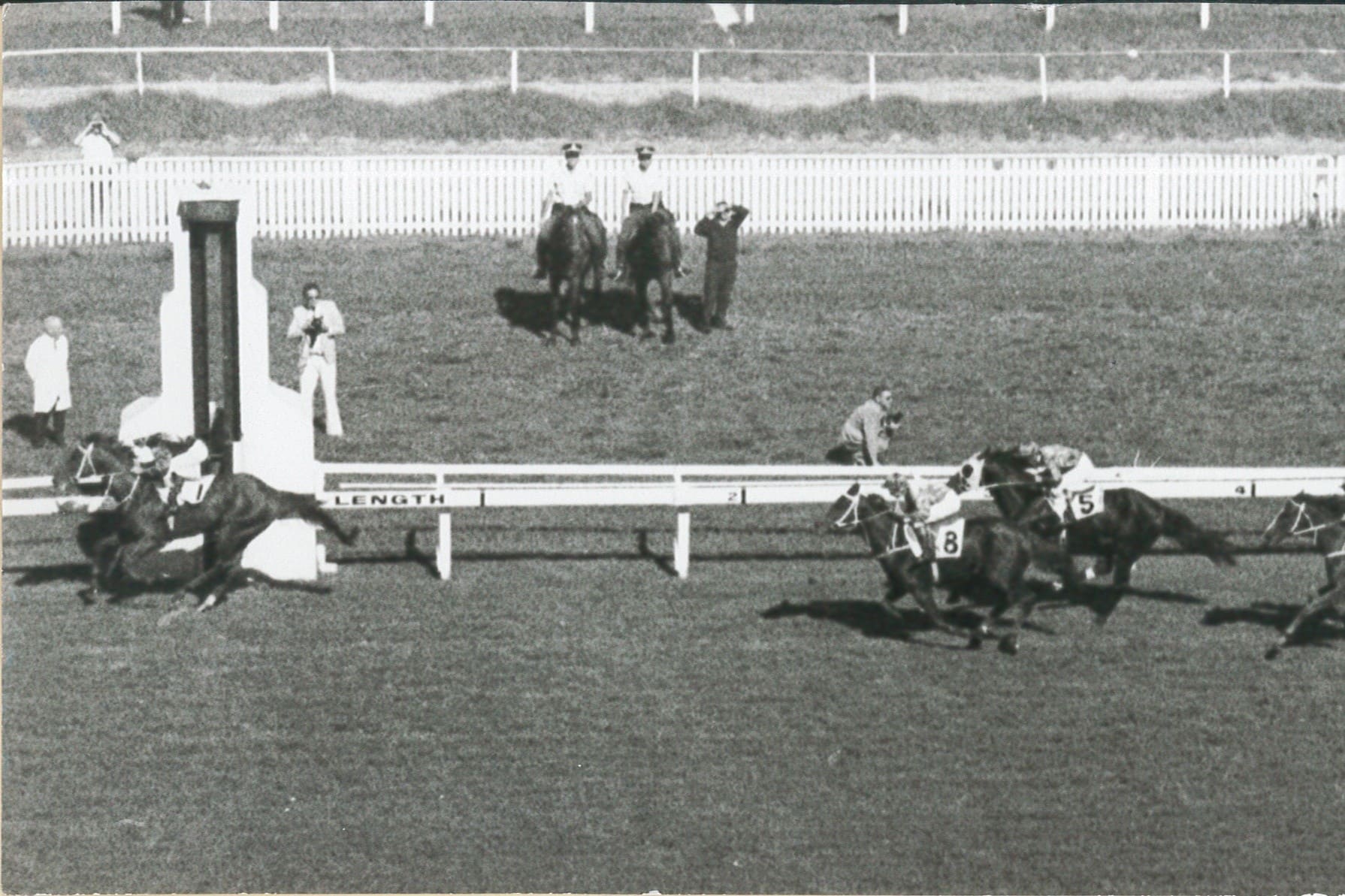
Luskin Star (1977)
Luskin Star produced a remarkable seven length win in race record time and went on to complete the two-year-old Triple Crown. His complete dominance of his juvenile season remains one of the defining achievements in Slipper history.
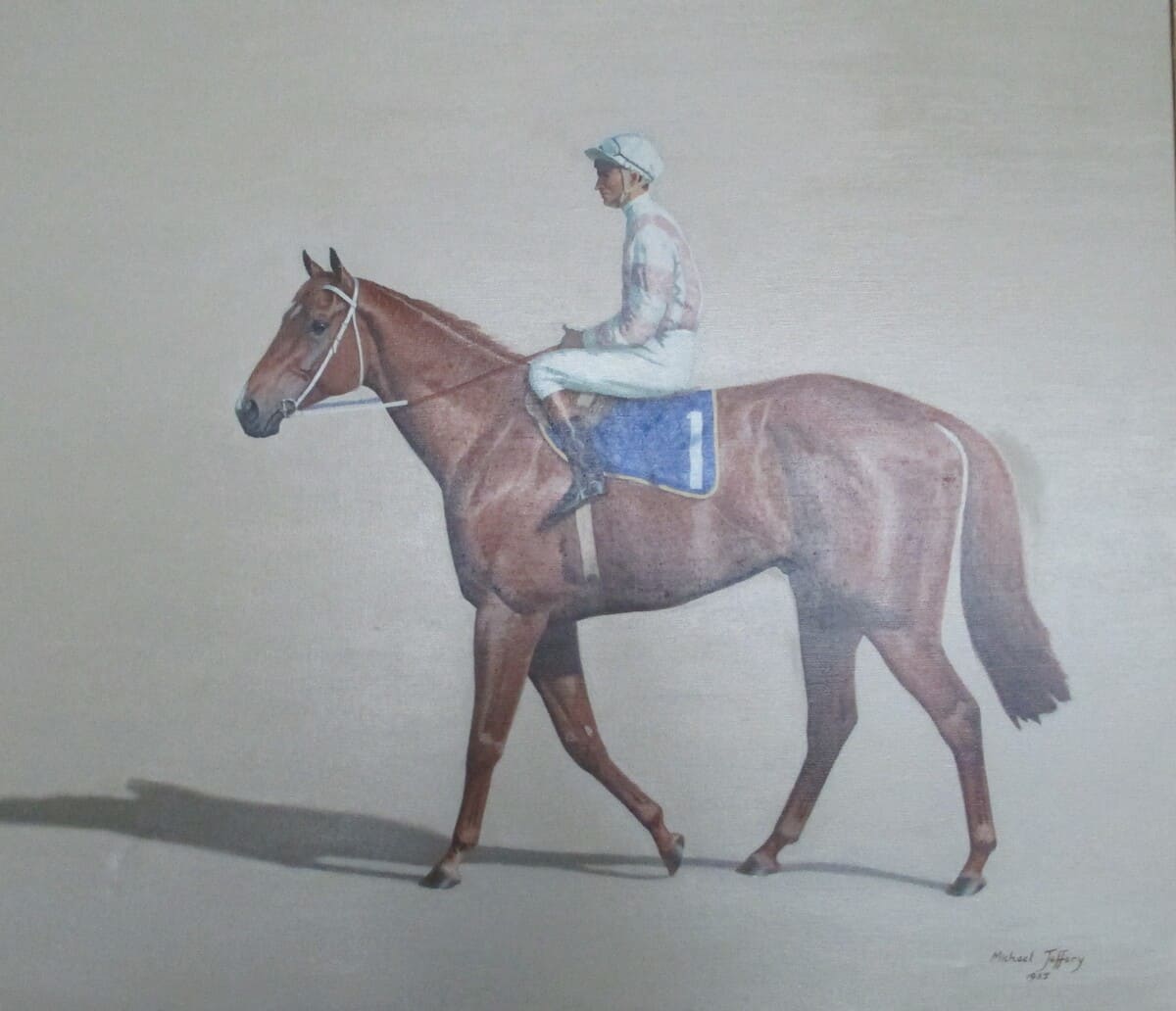
Manikato (1978)
Victorian gelding Manikato arrived at the Slipper with a formidable reputation and delivered with authority, defeating the previously unbeaten Black Opaque. He later became one of Australia’s most celebrated sprinters.
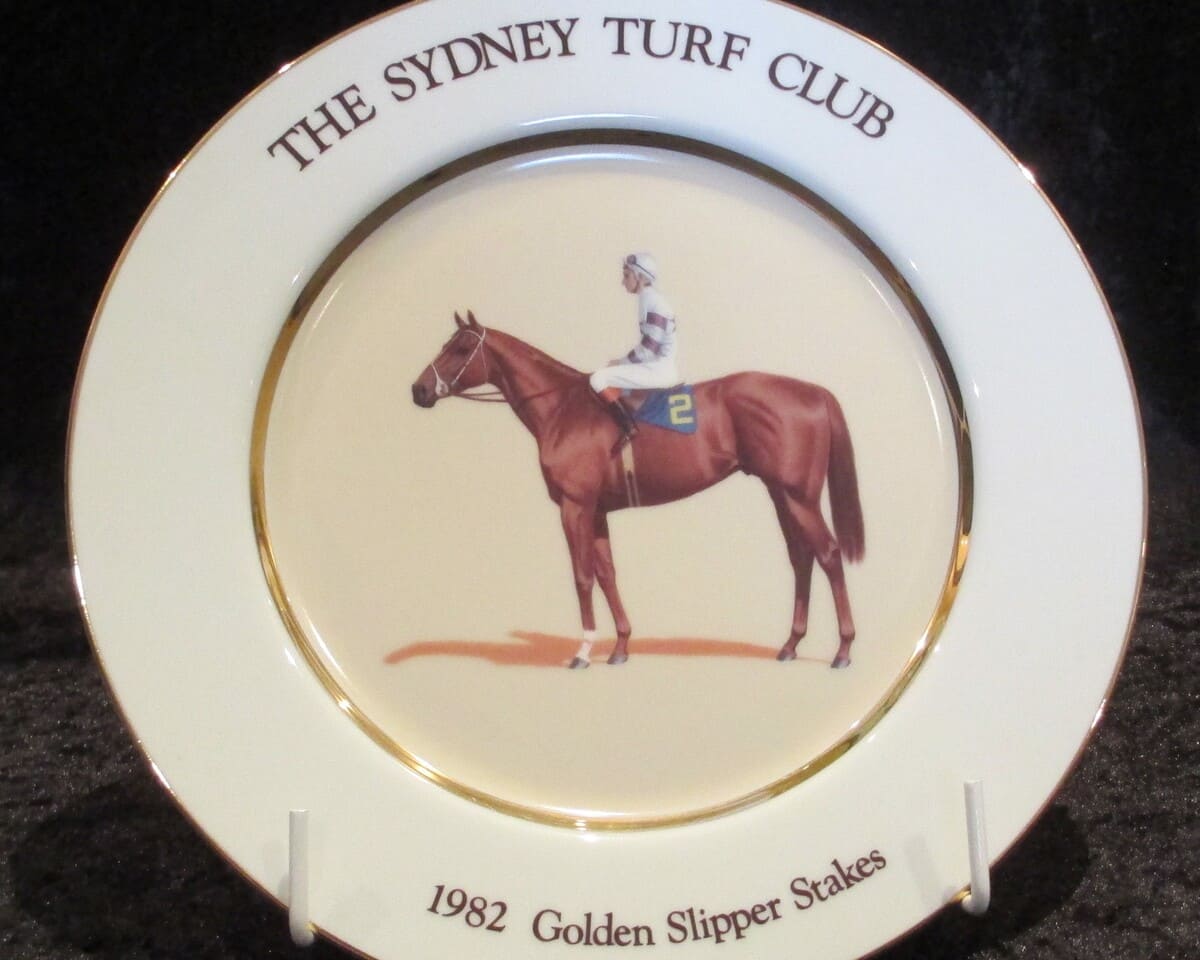
Marscay (1982)
In a year marked by shifting form and unpredictable lead ups, Marscay produced a commanding Slipper win and later established himself as a leading sire whose influence extended across generations.
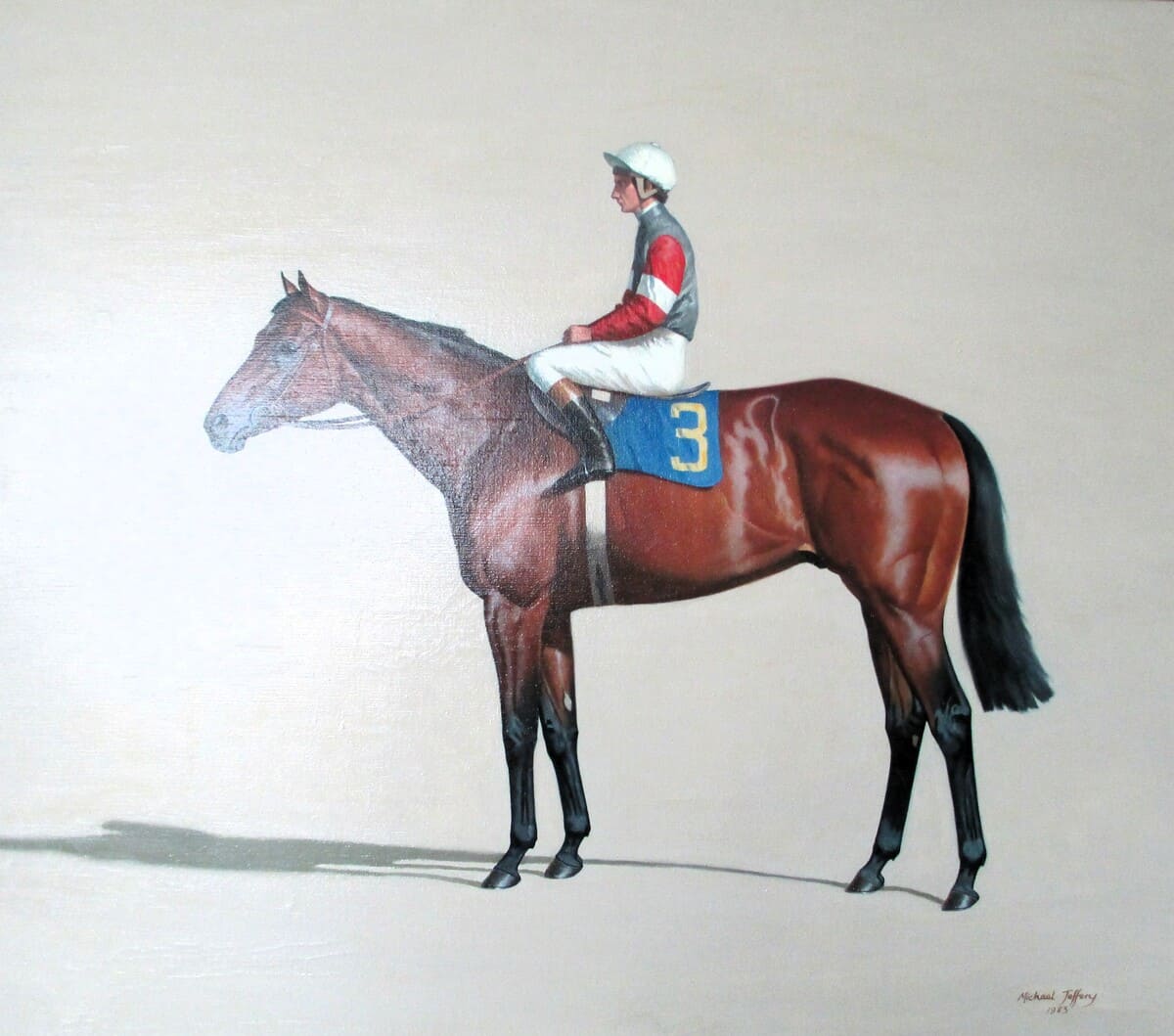
Sir Dapper (1983)
Sir Dapper stormed to a record winning time and went on to complete the prestigious spring Triple Crown as a three-year-old. His talent and consistency made him a standout performer of his era.
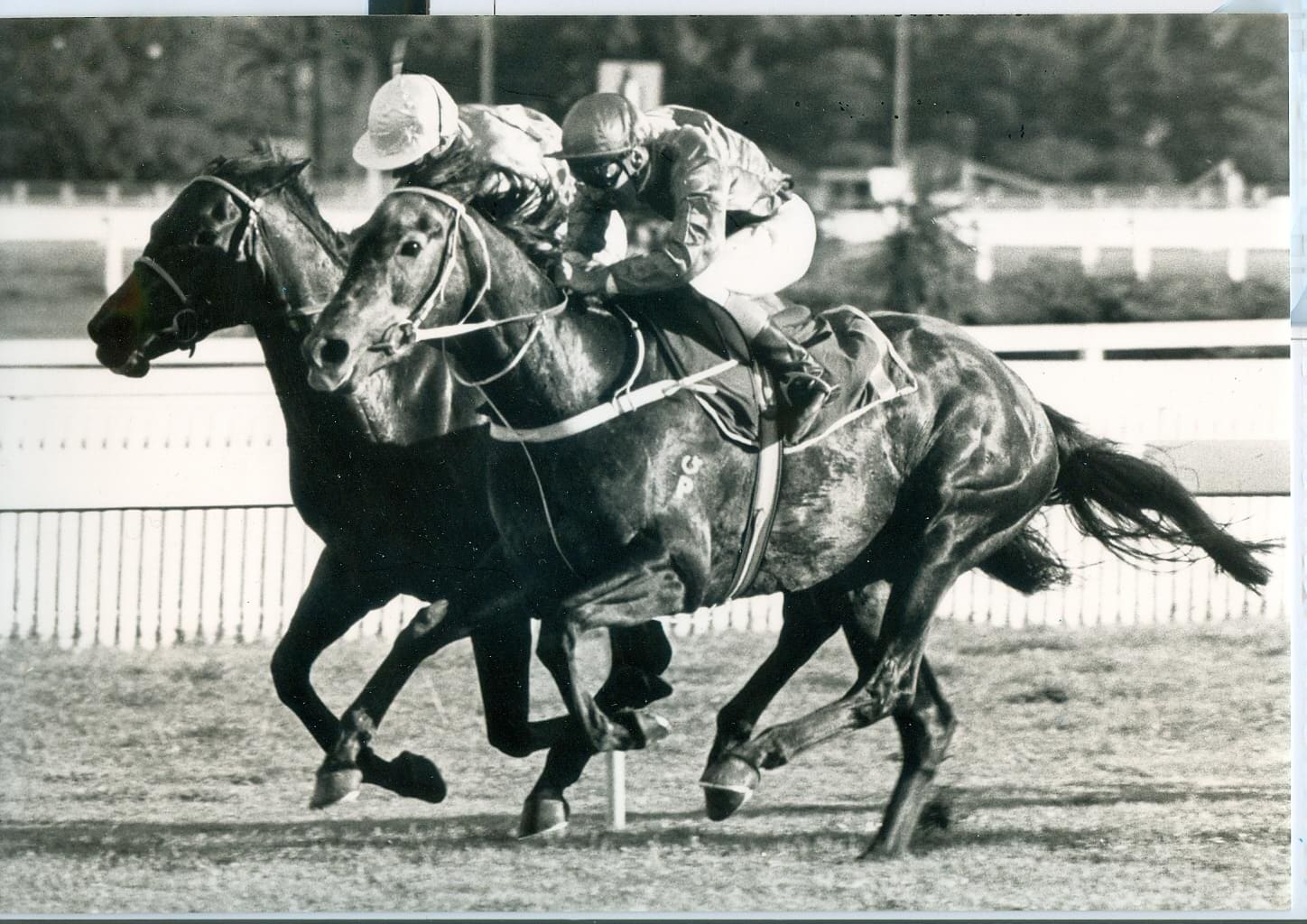
Bounding Away (1986)
Bounding Away claimed the first one million dollar running of the Slipper. She was also the only winner bred, owned and trained by the same person, T.J. Smith. Her versatility stretched from sprint races to a win in the AJC Oaks.
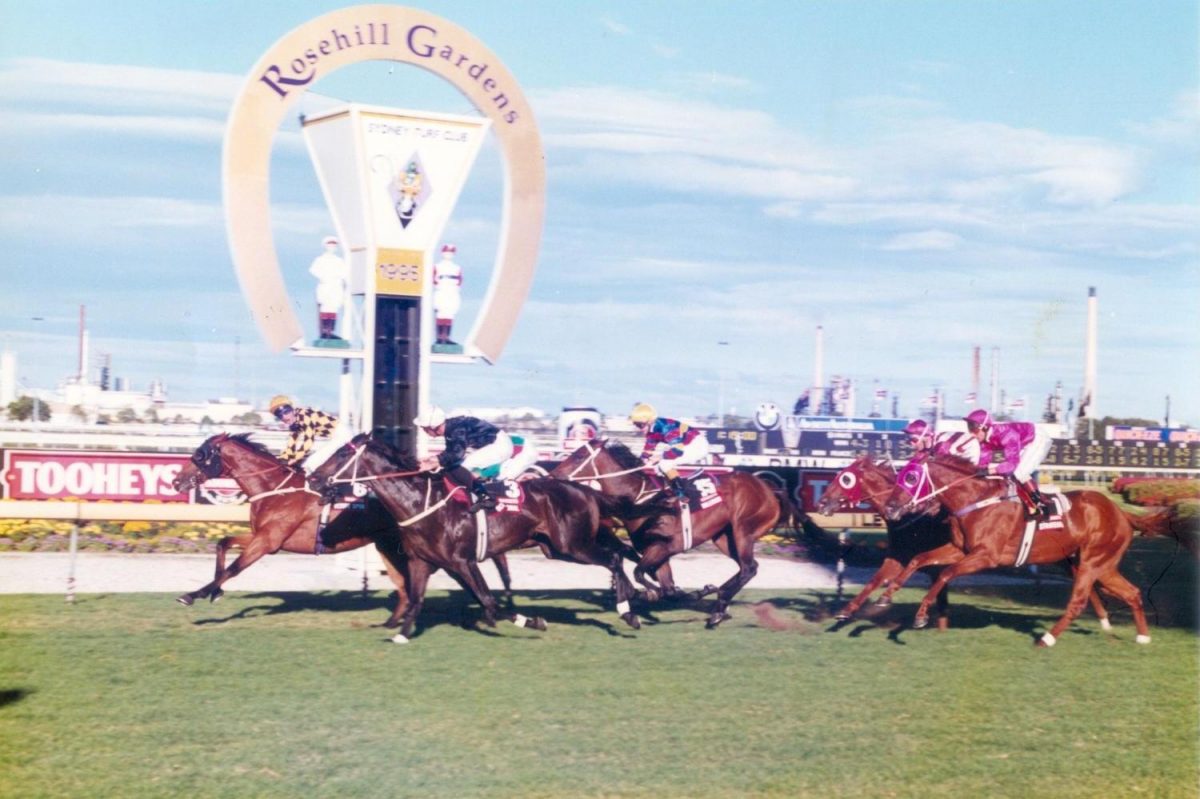
Flying Spur (1995)
Flying Spur produced one of the most dramatic Slipper upsets when he won at long odds of twenty-five to one, defeating the highly regarded Octagonal. His later success at stud added even greater weight to his Golden Slipper legacy.
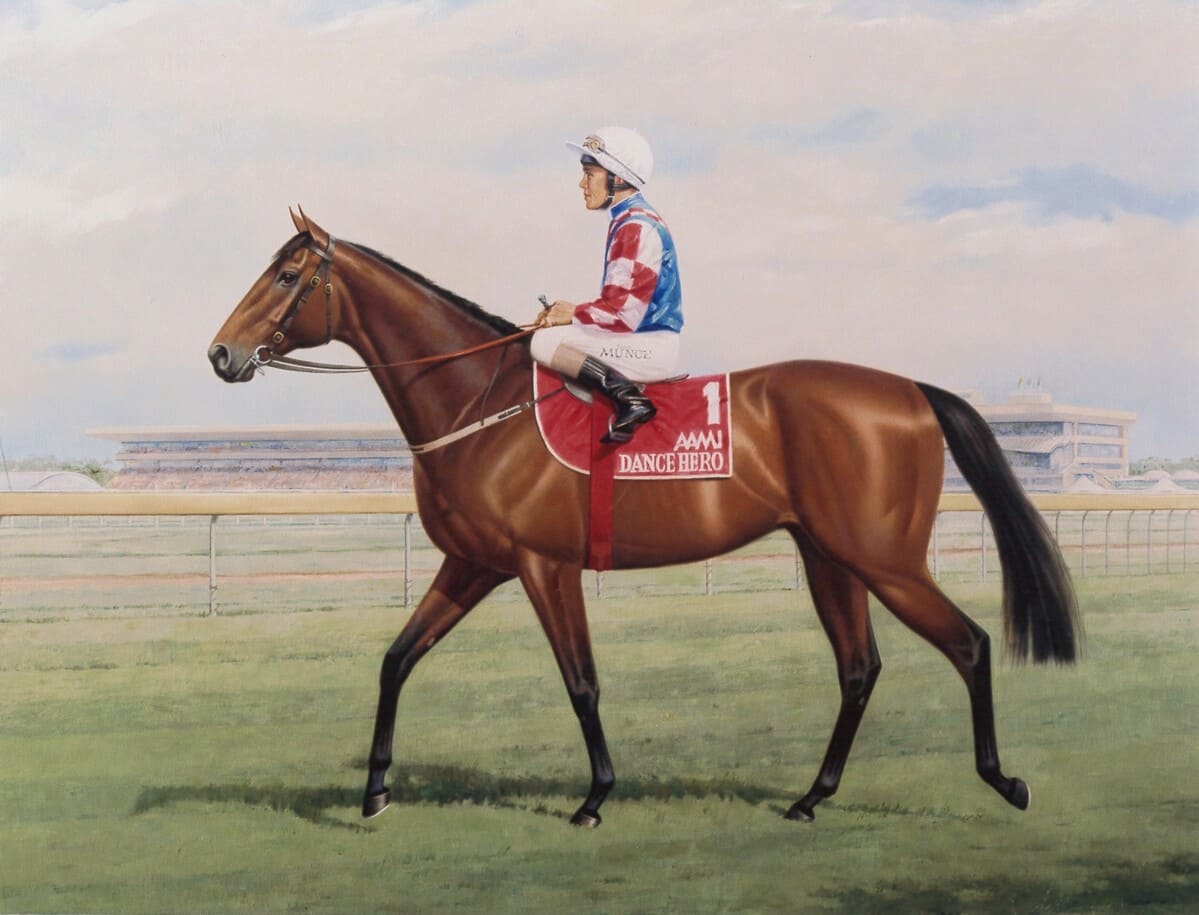
Dance Hero (2004)
Dance Hero delivered the fastest Slipper time recorded to that date and went on to complete the two-year-old Triple Crown, confirming his place as one of the most formidable young horses of the modern era.
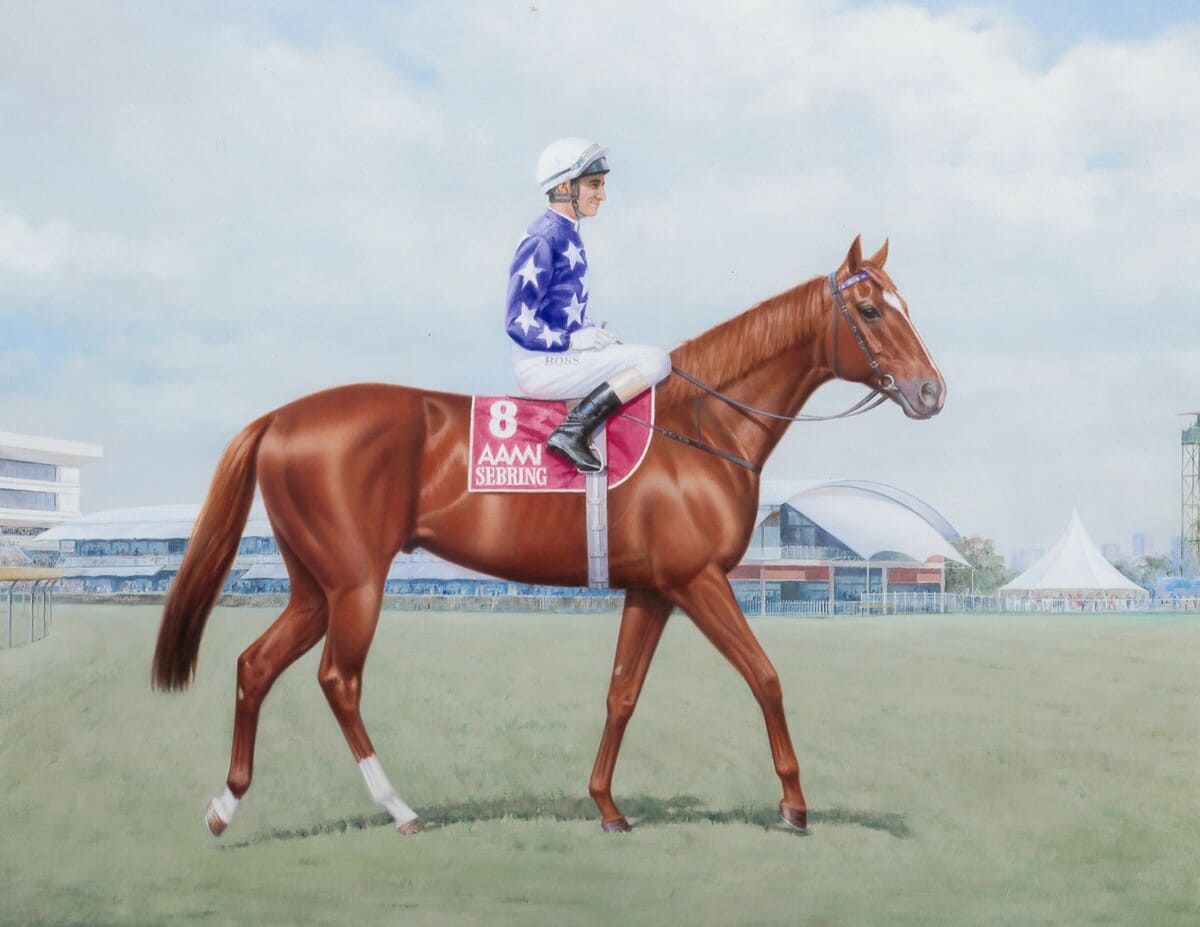
Sebring (2008)
Sebring entered the Slipper unbeaten and emerged victorious before going on to a multimillion-dollar stud career. His talent and popularity made him one of the standout stars of his generation.
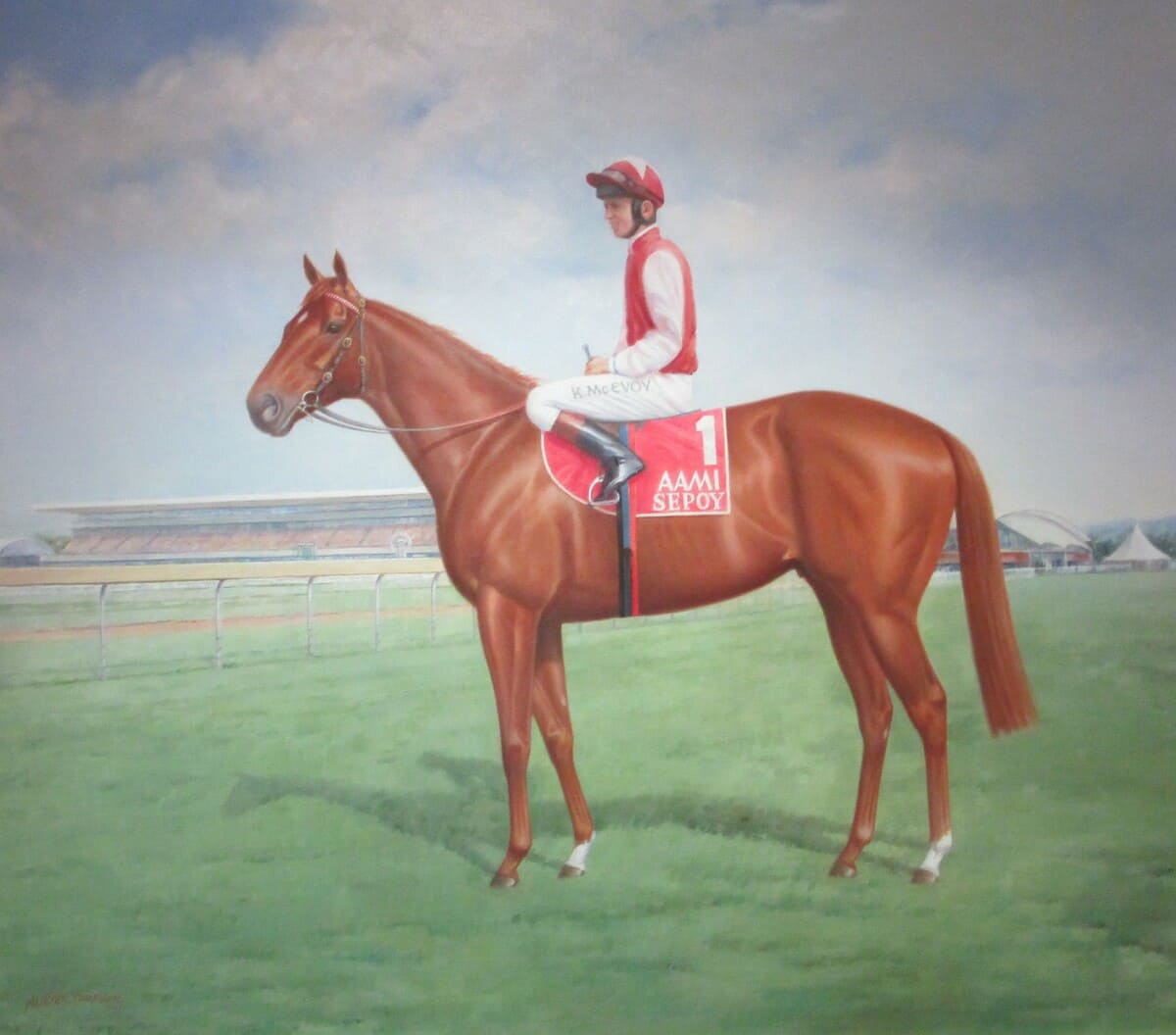
Sepoy (2011)
Sepoy arrived at the Slipper as the winner of the Blue Diamond Stakes and reaffirmed his class with a decisive victory. His win delivered owner and breeder Darley a new champion and future stallion of international interest.
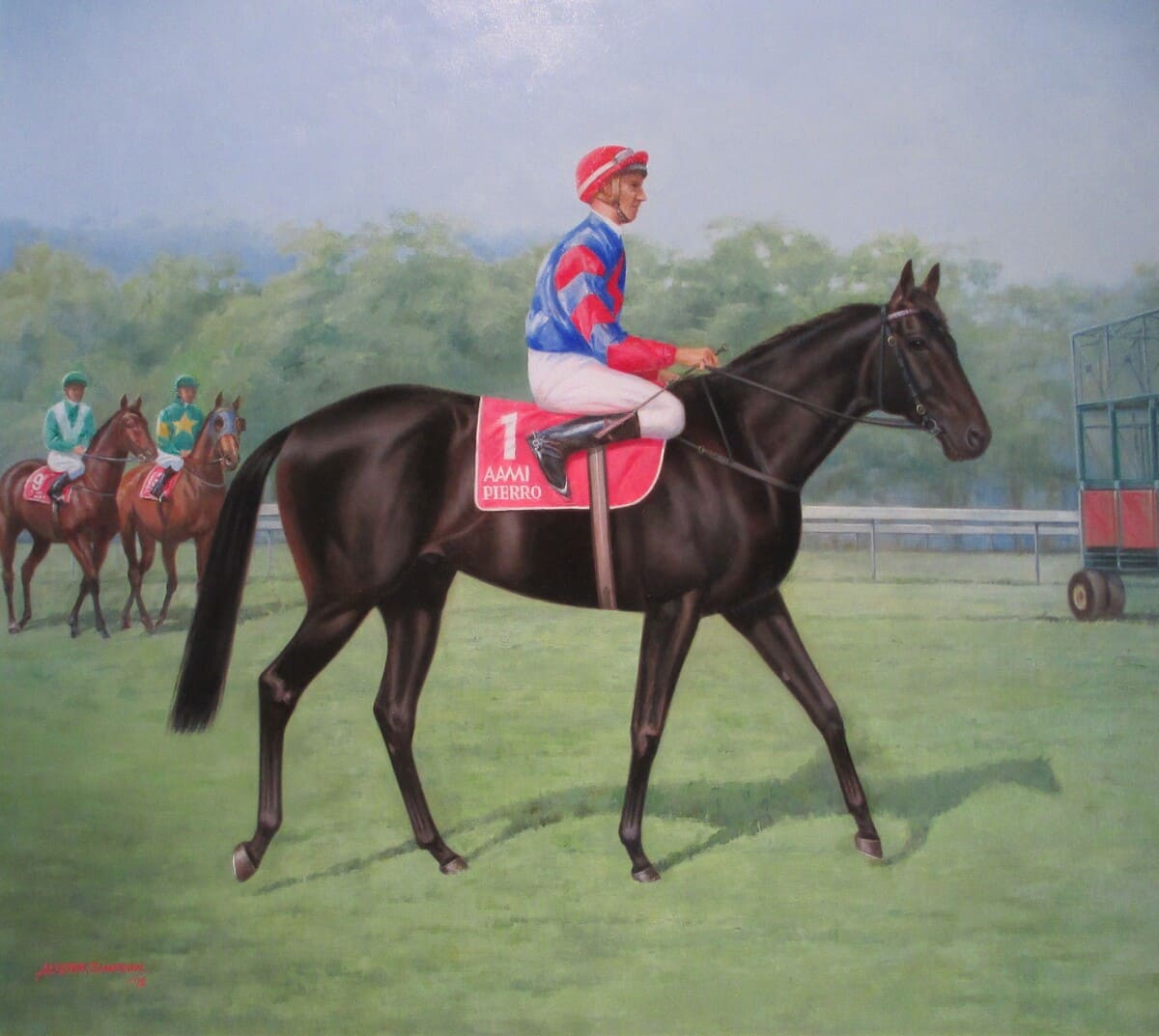
Pierro (2012)
Pierro achieved the rare two-year-old Triple Crown, winning the Golden Slipper, Sires’ Produce and Champagne Stakes. He retired as one of the most valuable and sought after stallions of his era.
The Slipper Today
A Crown Jewel of Sydney’s Autumn
Today, the Golden Slipper stands as the signature race of the Sydney Autumn Racing Carnival and one of the most anticipated events at Rosehill Gardens.
Each March, the race brings together emerging stars, leading trainers, top jockeys and passionate crowds for an occasion that blends high level sport with the atmosphere of a major social event. The Slipper is where unforgettable performances unfold and where the next generation of champions begin their journey.
Rosehill Gardens comes to life with colour, energy and excitement as thousands gather to witness the world’s best two-year-olds sprint for glory. Fashion, hospitality and entertainment all play their part in creating an experience that feels both vibrant and distinctly Sydney. From premium trackside dining to the buzz of the public lawns, every corner of the racecourse contributes to an atmosphere that is charged with anticipation.
What began in 1957 as an ambitious new contest has become a centrepiece of Australian racing and a celebration of the speed, spirit and brilliance that define the sport. The Golden Slipper continues to hold its place as a race where history is made each year and where the promise of new champions keeps the tradition alive.

Full List of Golden Slipper Winners
Across its storied history, the Golden Slipper has produced an extraordinary roll of honour filled with champions who have shaped Australian racing.
From Todman in 1957 to the stars of the modern era, each winner has added a new chapter to the story of this remarkable race.
Meet the Makers: Crafting the TAB Golden Slipper Trophy
The Golden Slipper trophy has taken many shapes over the years, evolving alongside the race it represents.
This behind-the-scenes film reveals how the current TAB Golden Slipper trophy is created, showcasing the artistry, precision and craftsmanship of the makers who bring its contemporary design to life.